
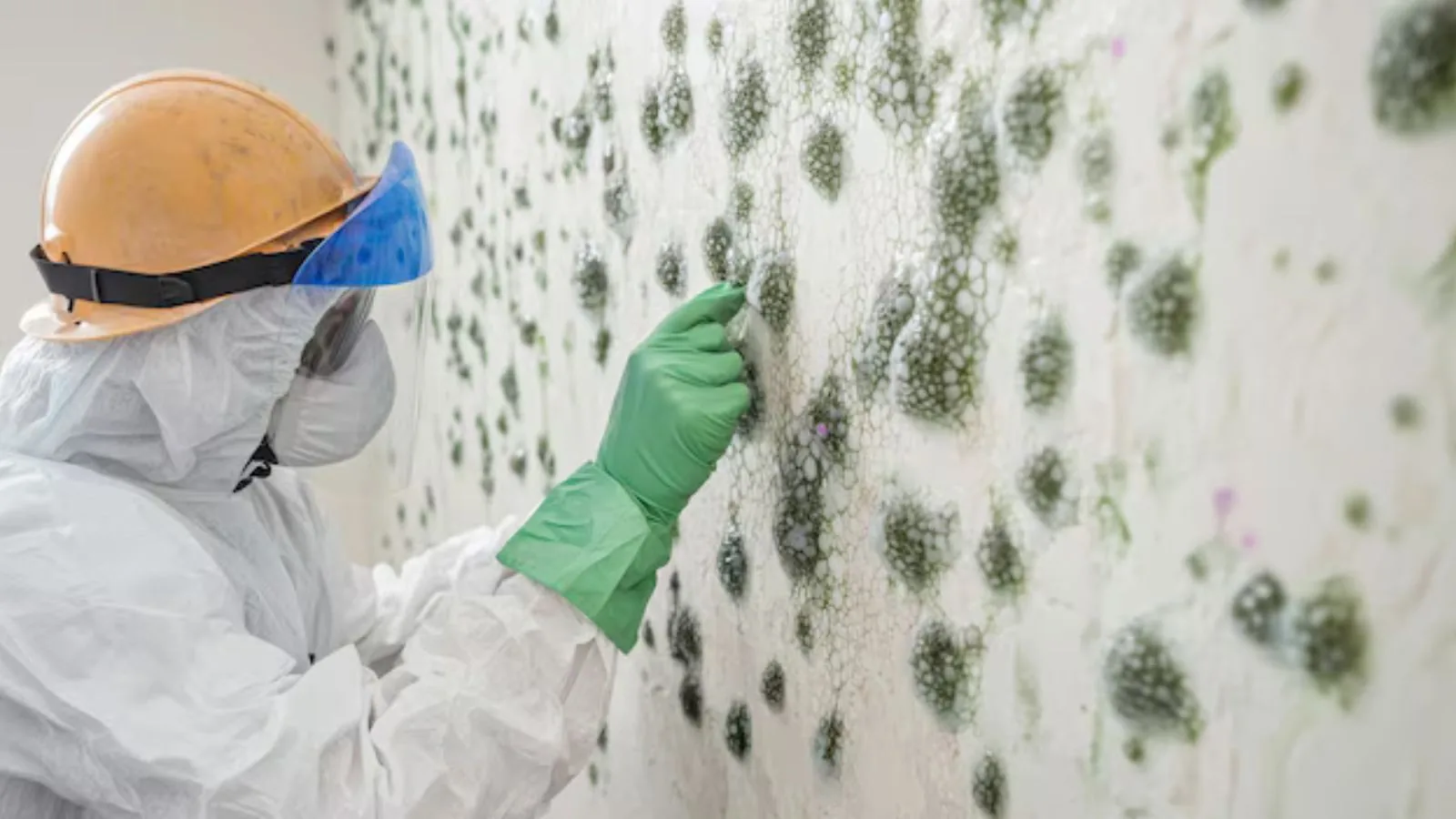
Hiring black mold removal services in Dalton is easier when you know what a proper job includes. The work is not just scrubbing. It means finding the water source, isolating the area, removing contaminated materials, drying the structure and checking the result.
This guide is a hiring checklist. It lists the questions worth asking, the answers you should expect and the warning signs that suggest a company is cutting corners. It does not recommend any one firm, and it works for any provider you are considering.
What a proper job includes
- An assessment that finds the extent of growth and the moisture source.
- A written scope that names the rooms, the materials and the methods.
- Containment with barriers and negative air to keep spores in the work zone.
- Removal of contaminated porous materials and HEPA cleaning of the rest.
- Drying until moisture meters read normal, and a final inspection or clearance test.
The industry standard is ANSI/IICRC S520 for mold remediation. A company that follows it will talk about containment, protective gear and verification without prompting.
Questions to ask every company
| Question | Good answer | Red flag |
|---|---|---|
| How will you find the moisture source? | Meters, a thermal camera and an inspection. | No plan for the cause. |
| How will you contain the work? | Barriers, negative air and protective gear. | Just spraying or wiping. |
| Do you follow ANSI/IICRC S520? | Yes, with details on how. | Vague or no answer. |
| What materials will come out? | Porous materials with growth, explained. | Painting over or fogging only. |
| How will you verify the result? | Inspection and optional third-party clearance. | A promise with no proof. |
| What is the written scope? | Itemized rooms and methods. | A lump sum with no detail. |
Questions about a mold quote? Call the line and we will explain the scope.
☎ Call (762) 763-0011Red flags that should slow you down
- A company that promises results with no inspection.
- Pressure to sign the same day with a fear-based pitch.
- A claim that every dark spot is toxic black mold without a test.
- Cleanup that uses only bleach or fogging.
- No mention of drying or the moisture source.
- Refusal to put the scope in writing.
Be careful with any company that tests and remediates the same job. A third-party tester for clearance gives you an independent result, which matters for a sale or a loan.
Credentials, honestly
Credentials can help but they do not replace a clear scope. Ask whether crews have training from a recognized body such as the IICRC, and ask for the details. Do not assume a number on a truck means a job is done right.
Verify claims you can check, such as business registration and insurance certificates. Do not rely on a company's own words about itself. If something cannot be shown on paper, treat it as unproven.
Dalton specifics: what to expect locally
Local conditions shape the work. Dalton's humid summers mean drying matters as much as removal, and the dry-out may run several days. Crawl space and basement jobs are common, and access can be tight.
Older homes in the historic districts may have plaster and wood that need gentler handling than modern drywall. Ask the company how it treats plaster, wood floors and original trim. For a mold problem that began with a leak, see structural drying, and for homes in Varnell and Chatsworth, ask about travel and scheduling.
What a written scope should say
- The rooms and the square footage that will be treated.
- Where containment will go and how air will be filtered.
- Which materials will be removed and which will be cleaned.
- How the structure will be dried and how readings will be shared.
- How the work will be verified, and by whom.
- The schedule, the number of days and what the occupants must do.
If any of those items is missing, ask for it. A scope that cannot answer them is a rough estimate, not a plan. A good company expects the questions and answers them without hurry.
Ask also about what happens if the crew finds more growth than expected. A fair contract explains how changes are handled and who approves them before work continues.
Living in the home during the job
Many jobs can be done while the family uses other parts of the house, if containment holds. Ask where the work zone will be, how the air from it is filtered and whether the HVAC will be shut down or sealed. A system that pulls air through a contaminated area can spread spores.
Anyone with health concerns should ask a physician before staying in the home. Plan to keep children and pets out of the work area, and ask the crew to explain their routine for entering and leaving the containment.
If the home is a rental, tell the landlord or property manager before work begins. A written notice protects you and gives the manager time to arrange access.
Comparing quotes fairly
Two quotes that look different may cover different work. One may include containment and drying, and the other may only include removal. Line the scopes up side by side, and ask each company to explain any gap.
Price follows area, containment, materials removed and the moisture source. The mold remediation page lists the factors, and scope and price are explained before work starts.
After the job
- Ask for a written summary with photos and moisture readings.
- Keep a copy of the scope and the invoice for insurance and for a future sale.
- Consider third-party clearance testing if a buyer or lender is involved.
- Fix the cause so growth does not return.
What to do first
- Find and stop the moisture source before anything else.
- Do not use a household vacuum or fan to chase wet or moldy spots, because that spreads material through the home.
- Take dated photos of anything affected and keep them with your records.
For drying timing, the EPA guidelines on mold and moisture say wet materials should be dried within 24 to 48 hours. For claims, the Georgia Office of Insurance and Safety Fire Commissioner publishes plain-language consumer guidelines.
Questions readers ask
How much does black mold removal cost in Dalton?
It depends on area, containment, materials removed and drying. A written scope and itemized estimate will show the factors before work starts.
Is testing required before removal?
Usually not. Visible growth and a moisture source are often enough to plan the work, and testing helps when a lender or buyer asks.
Can a company guarantee mold will not return?
Only if the moisture is fixed. Be cautious about promises, and ask what the company does about the water source.
Should the same company test and remediate?
An independent tester gives a cleaner result for a sale or loan, since it removes any conflict of interest.
How long does the job take?
Small jobs can take a day or two, and larger ones take longer. Drying and clearance add time.
Will insurance pay for mold removal?
It depends on the cause and the policy. Mold from a covered water loss is sometimes covered up to a limit. Ask your insurer.