
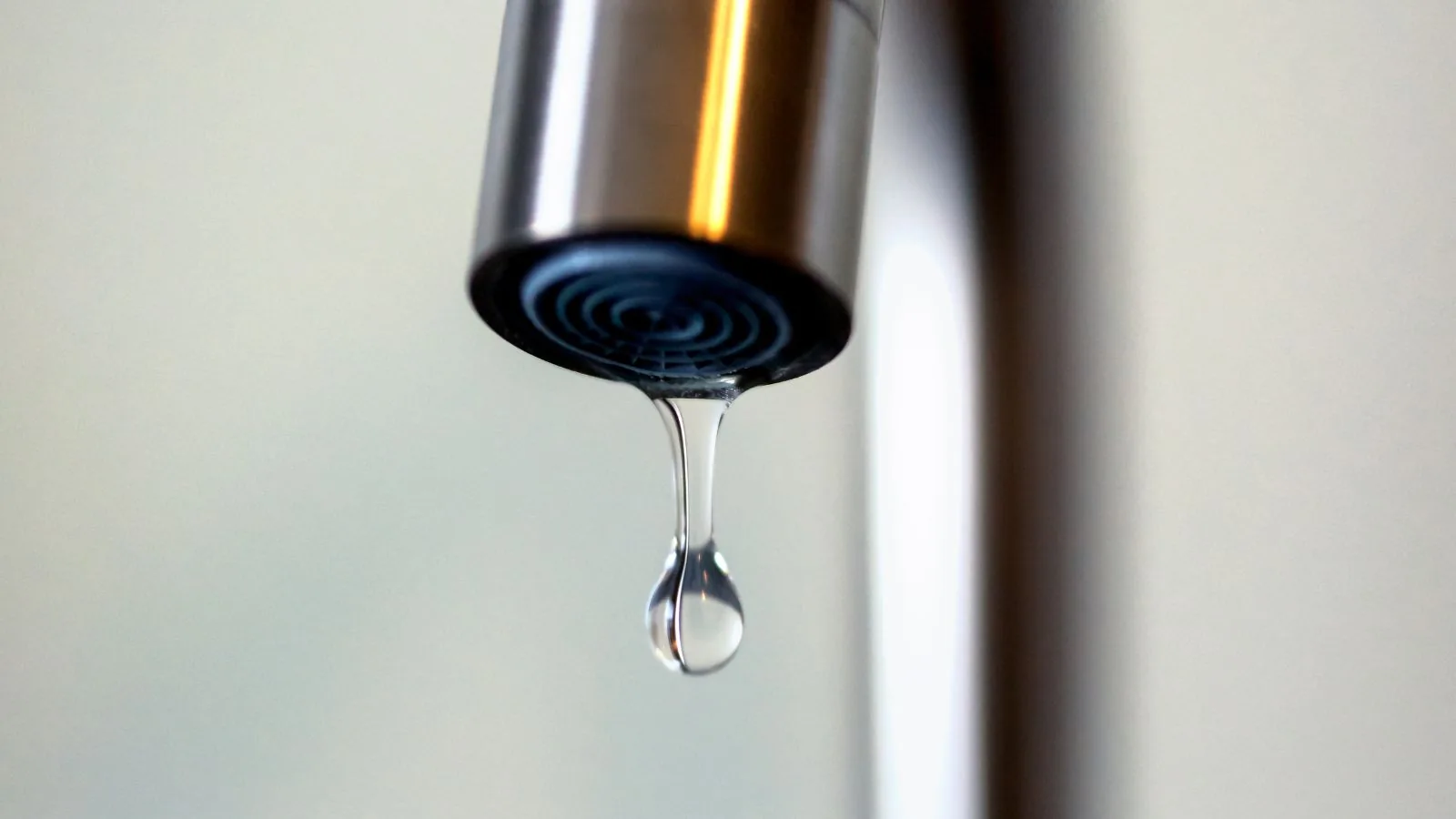
Kitchen water damage restoration in Dalton, GA deals with the most plumbed room in the house. A sink supply line, a dishwasher hose, a refrigerator ice maker and a garbage disposal all sit close together, and a leak under any of them runs into the cabinet base and the floor.
Water under a kitchen is easy to miss. Cabinets hide it, flooring covers it and the dishwasher blocks the toe-kick. If you smell mustiness under the sink, notice a floor that feels soft or see cabinet doors that stick, check for a leak and call for a moisture reading.
| Source | What it wets | Common sign |
|---|---|---|
| Sink supply or drain line. | Cabinet base and floor. | Damp cabinet bottom and musty smell. |
| Dishwasher. | Toe-kick, flooring and subfloor. | Swollen floor edge near the dishwasher. |
| Refrigerator water line. | Flooring under and around the unit. | Discoloration at floor seams. |
| Upstairs bathroom. | Kitchen ceiling and walls. | Ceiling stain over the cooktop. |
Kitchen water emergency: what to do
Close the shutoff under the sink, or the main valve if the leak is bigger. Turn off the dishwasher and unplug it only if the outlet is dry. Do not run the disposal or the dishwasher until the source is found.
Then call the 24/7 line. Same-day response is offered when available. If water is near the cooktop, the oven or a wall outlet, stay out of the wet area and call an electrician or 911 as needed.
Why cabinets and floors are slow to dry
Particleboard cabinet bases soak up water and swell, and the swelling is usually permanent. Solid wood cabinets dry better but can cup or stain. The cabinet toe-kick is a closed space that holds moisture against the floor.
Flooring matters too. Tile on a slab often dries well, while laminate, vinyl plank and engineered wood can swell at the edges. Under any of them, the subfloor can stay wet for weeks without a visible sign.
Kitchen leak in your Dalton home? Call the 24/7 line.
☎ Call (762) 763-0011How a kitchen is dried
- Water is extracted and the source is stopped.
- The toe-kick is removed and a small opening gives air access to the cabinet base and subfloor.
- Moisture is mapped behind the cabinets and under the floor with a meter and thermal camera.
- Damaged cabinet parts, saturated drywall and floor sections are removed where drying is not realistic.
- Dehumidifiers and air movers run until readings return to normal.
Appliances are moved with care, and the crew checks the supply lines before they are put back. For a deeper look at the lines themselves, see appliance leak water damage.
Old Dalton kitchens
Kitchens in older homes can have original finishes. In districts such as McCarty Subdivision or Thornton Avenue-Murray Hill, the city says most homes were built from the late 1920s through the early 1950s, so ask the crew to identify wall and floor materials before anything is removed.
Plaster holds water well and dries slowly. A meter reading is especially important, and the crew may use targeted drying and let the plaster dry in place rather than removing it.
Kitchen leak checklist
Close the valve
Use the shutoff under the sink or the main valve.
Empty the cabinet
Remove items from the wet cabinet and set them on a dry surface.
Do not use appliances
Skip the dishwasher and disposal until the source is fixed.
Photograph
Take photos of the cabinet, the floor and the source of the leak.
Related work
If the floor is wet, the hardwood floor page covers wood and laminate. If the wall behind the sink is damp, see wall and drywall repair. If a leak went unnoticed for weeks, the mold page explains what to check.
What changes the cost of kitchen water damage
Kitchen jobs are small in square footage and large in detail. Price follows what must be opened and dried.
Want your real number? Call (762) 763-0011 and describe the leak.
Insurance and your policy
Sudden kitchen leaks are often covered, and gradual seepage is often excluded. If a leak went on for months, the insurer may argue that it was maintenance. Read your policy and ask your insurer.
Photograph the cabinet and the source before repairs. Keep the failed part and the receipts for emergency work.
What to do first, before help arrives
- Stay out of any room where water touches outlets, cords or a breaker panel, and shut off power at the panel only if you can reach it dry.
- Stop the source if you can, such as the main valve or the appliance supply.
- Move valuables and small furniture out of the wet area, and do not use a household vacuum on standing water.
- Take dated photos before anything is moved, then call the 24/7 line.
Our timing advice follows the EPA guidelines on mold and moisture, which say wet materials should be dried within 24 to 48 hours. Claim steps follow the consumer guidance from the Georgia Office of Insurance and Safety Fire Commissioner.
Questions Dalton homeowners ask
Do you handle kitchen leak emergencies at night or on weekends in Dalton?
Yes. The line is open 24 hours a day, every day. Close the shutoff and call.
Can wet cabinets be saved?
Solid wood often can. Particleboard that has swelled usually cannot.
Do I have to remove the flooring?
Not always. Tile and sealed floors can dry in place. Swollen laminate and vinyl plank often come out.
How do I know if there is a hidden leak under the sink?
Look for staining, a musty smell or warped cabinet bottoms. A meter reading can confirm.
Is the water from a dishwasher leak clean?
It starts clean, but it picks up bacteria if it sits. Dry it quickly.
Will insurance cover cabinet replacement?
If the loss is covered, often yes for damaged parts. Read your policy and ask your insurer.
Kitchen leak cleanup serves homes in Dalton ZIP codes 30719, 30720, 30721 and 30722. Mention the cabinet and the appliance that leaked, and the crew will bring the right tools for the toe-kick.