
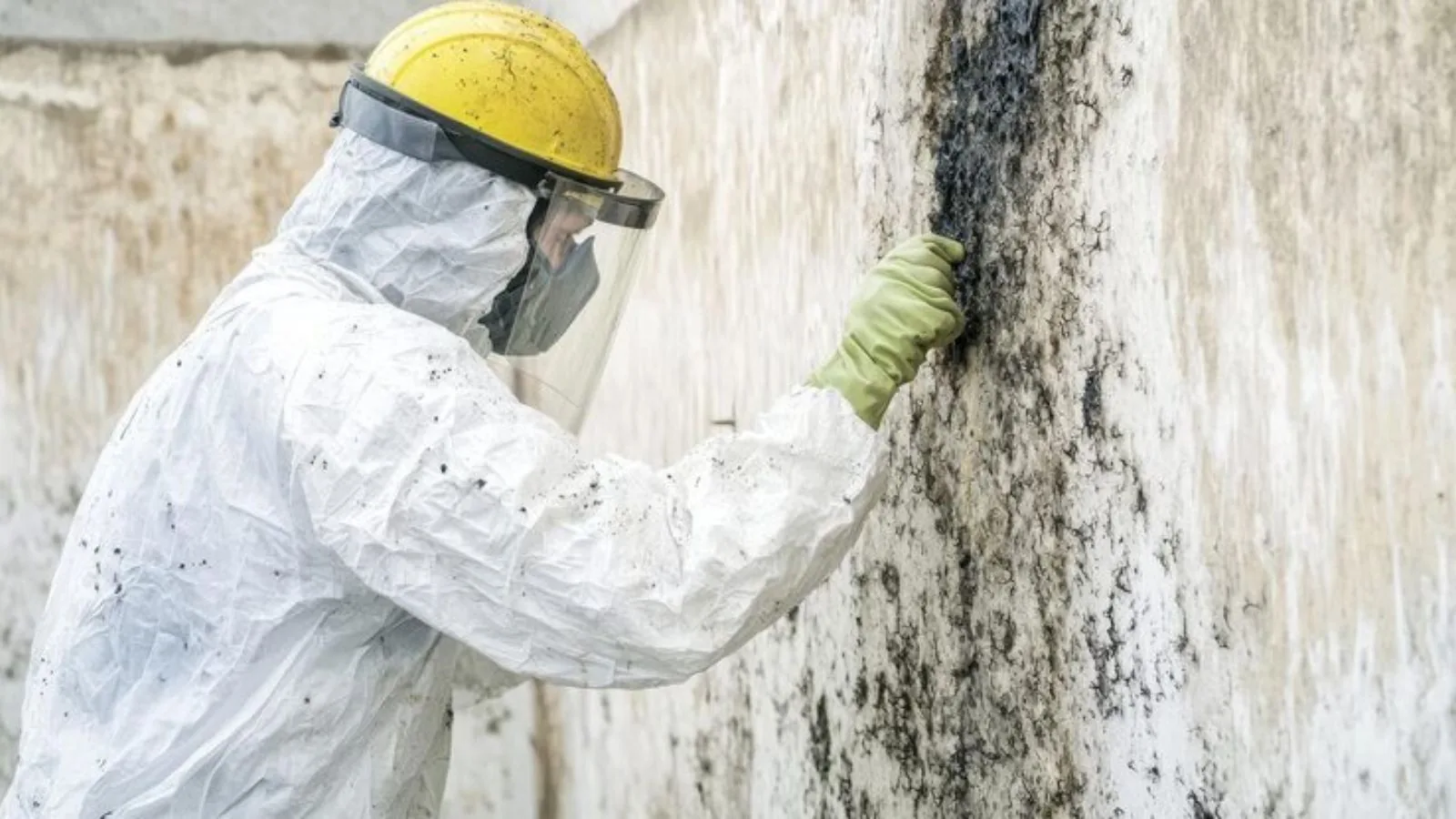
How fast mold grows after water damage is one of the most common questions people in Dalton ask. The EPA gives a clear working rule. Dry water-damaged areas and items within 24 to 48 hours to prevent mold growth. If wet materials are dried in time, in most cases mold will not grow.
This guide explains why that window exists, what makes growth faster or slower and how to use the first two days well. It also covers what to do when you have already passed the window.
The 24 to 48 hour rule
Mold spores are everywhere, indoors and out. They stay inactive until they land on something damp that can feed them. Drywall paper, wood, insulation and carpet pad are all food, and a wet one is an invitation.
The EPA recommends drying within 24 to 48 hours because growth can begin in that period on wet materials. It does not mean mold appears in exactly two days. It means the risk rises sharply after that point, and the longer materials stay wet, the more damage mold can cause.
A rough timeline of what happens
| Time since the leak | What is happening | What to do |
|---|---|---|
| Zero to 24 hours. | Materials absorb water. Spores are present but inactive. | Stop the source and start extraction. |
| 24 to 48 hours. | Mold can begin to grow on wet organic material. | Have drying equipment running. |
| Two to seven days. | Growth can spread if materials stay wet. | Check hidden areas and confirm readings. |
| Over a week. | Visible growth and odor are common. | Plan for inspection and remediation. |
These stages are a rule of thumb, not a schedule. Temperature, humidity, the material and the water source all change the pace. A hot, humid room speeds everything up.
Leak less than two days ago? Call now and start drying.
☎ Call (762) 763-0011What speeds mold up
- Warm indoor temperatures, which are common in summer.
- High humidity. The EPA suggests keeping it below 60 percent and ideally between 30 and 50 percent.
- Organic materials such as drywall paper, wood, cardboard and carpet pad.
- Still air in closed spaces like closets, crawl spaces and wall cavities.
- Water that is left to sit, especially in insulation.
- Delays in starting drying equipment.
Most of these are common in North Georgia homes during summer. A leak in July is a bigger mold risk than the same leak in January. The extraction page and the drying page explain how to beat the clock.
Dalton climate and mold
Dalton gets humid summers and plenty of rain. Homes here often run air conditioning for months, which creates cool surfaces where moisture condenses. A closet on an exterior wall or a crawl space under a bedroom can sit above 60 percent humidity for weeks.
The 2025 storm put 6.71 inches of rain on Greater Dalton in about 30 to 45 minutes, and the air stayed wet for days afterward. After events like that, drying outdoors is slow, which is why dehumidifiers matter more than open windows. Homes in Tunnel Hill and Varnell face the same weather.
What to do in the first two days
- Stop the water source.
- Extract standing water as soon as possible.
- Remove wet porous items that cannot be dried, such as soaked pad and insulation.
- Run dehumidifiers and air movers with doors and windows closed.
- Take moisture readings to confirm the wet areas are shrinking.
A same-day response from a restoration crew gives you the best chance. Same-day response is offered when available, and the 24/7 line is open at all hours.
If it has been longer than two days
Do not panic. Many wet areas are still savable, and many do not grow mold at all. What matters is whether materials are still wet and whether there is any sign of growth.
Look for a musty smell, stains that spread or return, and soft or discolored drywall. A moisture inspection finds hidden wet spots. If growth has started, the mold remediation page explains containment, removal and verification.
Materials ranked by mold risk
| Material | Risk when wet | Notes |
|---|---|---|
| Drywall paper and ceiling tile. | High. | Paper facing is food for mold. |
| Carpet pad and cardboard. | High. | Holds water and is organic. |
| Wood framing and subfloor. | Medium. | Grows mold if it stays wet. |
| Insulation, fiberglass. | Medium. | Holds moisture and dust that feeds growth. |
| Concrete and tile. | Lower. | Can still grow growth on surface dirt. |
| Glass and metal. | Lowest. | Surface dirt can still support growth. |
This ranking explains why drywall and pad are removed so often, while tile and concrete are cleaned and dried. It also explains why a wet wall with paper facing matters more than a wet garage slab.
When a crew reads moisture, it is checking the high-risk materials first. A sagging ceiling or a soft wall base gets more attention than a damp concrete floor, because that is where growth would start.
Myths worth skipping
- Myth: you will see mold within two days. Reality: it often starts out of sight.
- Myth: bleach kills it for good. Reality: the EPA does not recommend bleach as a routine practice, and dead mold must still be removed.
- Myth: opening windows dries a house. Reality: humid air can make things worse.
- Myth: only old houses get mold. Reality: new houses with tight envelopes can trap moisture.
Moisture is the lever. Control it quickly and growth rarely gets started, and ignore it and almost any material can host mold.
Preventing mold after a leak
- Dry thoroughly and do not close walls until readings are normal.
- Fix the cause, not just the damage.
- Keep indoor humidity under control with a dehumidifier.
- Clean gutters and slope soil away from the foundation.
- Check hidden areas such as under sinks and behind appliances every few months.
What to do first
- Find and stop the moisture source before anything else.
- Do not use a household vacuum or fan to chase wet or moldy spots, because that spreads material through the home.
- Take dated photos of anything affected and keep them with your records.
For drying timing, the EPA guidelines on mold and moisture say wet materials should be dried within 24 to 48 hours. For claims, the Georgia Office of Insurance and Safety Fire Commissioner publishes plain-language consumer guidelines.
Questions readers ask
How quickly can mold grow after a leak?
The EPA recommends drying within 24 to 48 hours to prevent mold, which indicates growth can begin in that period on wet materials.
Does mold always grow after water damage?
No. The EPA says that if wet materials are dried in time, in most cases mold will not grow.
Can I stop mold with a fan?
A fan helps surface drying but cannot dry a wet cavity. Dehumidifiers and meter readings finish the job.
How do I know if mold is growing inside a wall?
Look for a musty smell, stains that return and soft drywall. A moisture inspection can confirm.
Does Dalton's humidity make mold more likely?
Yes. Humid summers slow drying and speed growth, so start dry-out quickly.
What if I find mold after a week?
Keep the room closed, fix the moisture and call for an inspection. Containment and removal may be needed.