
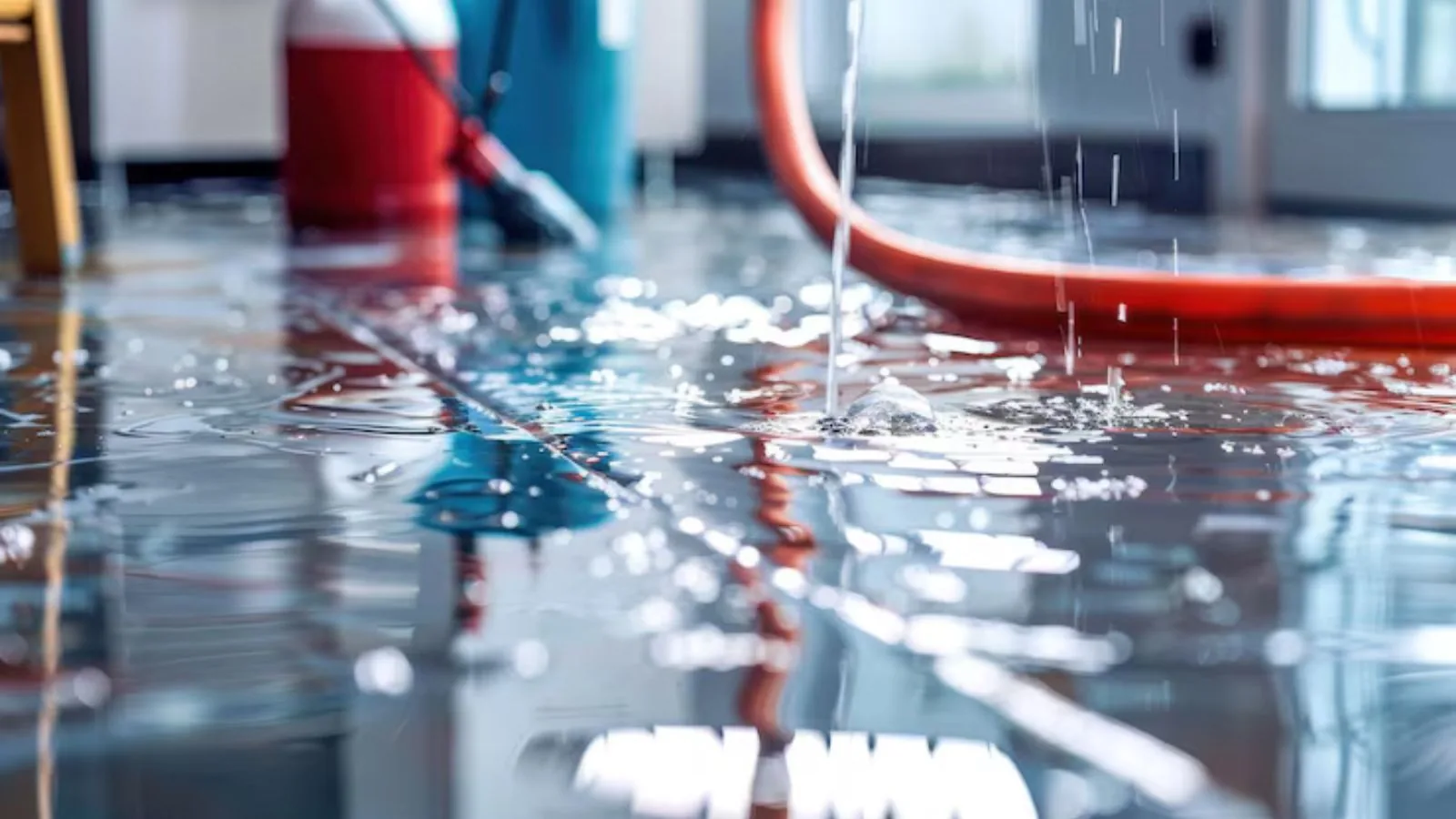
Restoration crews sort water damage into three categories, and the category shapes the whole job. The ANSI/IICRC S500 standard defines Category 1, 2 and 3 by how contaminated the water is at its source. If someone tells you your loss is Category 3, they are saying the water is heavily contaminated, not that the damage is large.
This guide explains each category in plain terms and how water can move from one to the next. It also covers what each means for your carpet, drywall and belongings in Dalton.
The three categories in plain words
| Category | Source examples | What it means |
|---|---|---|
| Category 1, clean. | Supply lines, a failed tank, a bathtub overflow with no contamination. | No harm from the water itself at the start. |
| Category 2, gray. | Washing machine or dishwasher drain, toilet overflow with urine only, sump pump failure. | Contains contaminants that can cause illness if consumed or contacted. |
| Category 3, black. | Sewage, river or creek flood water, water from outside that carries soil and waste. | Heavily contaminated and unsafe. |
The names clean, gray and black are shorthand. The point is not the color of the water. It is what the water has touched and what it may carry.
Category 1: clean water
Clean water comes from a sanitary source, such as a supply line or a tank. It starts safe, and quick action keeps it manageable. Carpet, pad and drywall can often be dried when the water is caught in time.
Clean water does not stay clean. As it sits, it picks up bacteria from the materials it touches, and after a day or two it may be treated as a higher category. That is why the first hours matter. The burst pipe page shows a typical Category 1 job.
Not sure what kind of water you have? Call and describe the source.
☎ Call (762) 763-0011Category 2: gray water
Gray water carries contaminants but is not as dangerous as sewage. Typical sources are a washing machine or dishwasher discharge. Porous materials that soak up gray water, such as carpet pad, may need to be removed.
Crews wear gloves and take care with disposal. Hard surfaces can usually be cleaned and dried, and carpet may be saved depending on how long it sat. The appliance leak page explains the typical sources.
Category 3: black water
Category 3 includes sewage and flood water from outside. It can contain bacteria, viruses and chemicals. The S500 standard treats rising flood water as Category 3, since it carries what it picked up on the way in.
Porous materials such as carpet, pad, insulation and drywall that were soaked are removed. Surfaces that stay are cleaned and disinfected. See the sewage page and the flood page for how those jobs run.
How categories change over time
- A supply line breaks and the water starts clean.
- The water sits in carpet and wall cavities for a day or more.
- Bacteria grow in the warm, damp materials.
- The category can move up, and removal may be needed where drying would have worked at the start.
Temperature and time speed this up. Warm Dalton summers mean a clean leak can degrade faster than in a cold month. The takeaway is simple. Fast action saves materials.
What the category means in Dalton homes
Dalton has a lot of carpet, and carpet and pad are the first thing affected by category. In a Category 1 leak, carpet can often be dried in place. In a Category 3 event, such as a creek rising during storm flooding, carpet and pad go.
Houses in Rocky Face and Chatsworth may face runoff from slopes, where water is Category 3 by definition. If you are not sure, tell dispatch where the water came from. The crew will plan for the worst case until the facts are known.
Water classes are a different scale
Categories describe contamination, and classes describe how much water a material has absorbed. Class 1 is the least water and Class 4 is deeply held water in dense materials such as hardwood and plaster. A job has both a category and a class.
| Term | What it measures | Example |
|---|---|---|
| Category 1 to 3. | How contaminated the water is. | Clean supply line versus sewage. |
| Class 1 to 4. | How much water the materials hold and how fast they release it. | Thin carpet versus soaked hardwood. |
The category sets the safety steps and what must be removed. The class sets the drying plan and how much equipment goes in. The drying page explains the equipment side.
Why insurers care about category
Category affects cost, and it affects coverage. Sewage and flood water often fall under exclusions or endorsements, while clean water from a sudden pipe break is commonly covered. The commissioner's office states that homeowners policies do not cover flood loss.
Ask the crew to put the category and the reasoning in writing. A line that says why the water was treated as Category 2 or 3 gives the adjuster context. It also protects you if the cause is questioned later.
Questions to ask the crew
- What category do you assign, and why?
- Will the category change if drying is delayed?
- Which materials must be removed because of the category?
- What protective gear and containment will you use?
- How will you document the category for my insurer?
What to do first
- Find and stop the moisture source before anything else.
- Do not use a household vacuum or fan to chase wet or moldy spots, because that spreads material through the home.
- Take dated photos of anything affected and keep them with your records.
For drying timing, the EPA guidelines on mold and moisture say wet materials should be dried within 24 to 48 hours. For claims, the Georgia Office of Insurance and Safety Fire Commissioner publishes plain-language consumer guidelines.
Questions readers ask
What is the difference between Category 2 and Category 3?
Category 2 water is contaminated but not grossly so, like washer discharge. Category 3 is grossly contaminated, like sewage and flood water.
Can clean water become gray or black?
Yes. Clean water can degrade as it sits in warm, damp materials.
Is all flood water Category 3?
Under the S500 standard, rising flood water from outside is treated as Category 3.
Does the category change the price?
Yes. Higher categories require more protection, more removal and more cleaning.
Can I keep my carpet after Category 3 water?
Usually not. Carpet and pad are removed.
How do I know the category of my loss?
It depends on the source and how long the water sat. A professional assessment will assign it.